Sources
Picture Credits
The pictures beside the texts are historic: photographs of the manuscripts themselves where one exists, and icons, frescoes and mosaics where it does not. Every one is public domain or CC0, and each is listed here with where it came from.
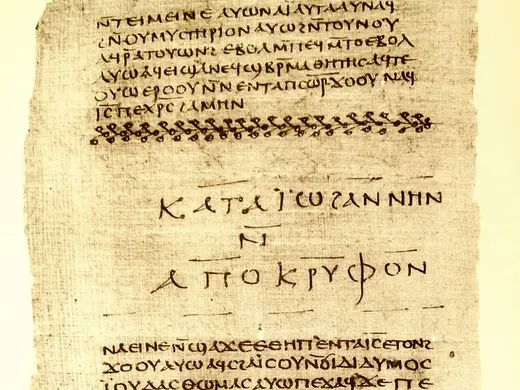
Nag Hammadi Codex II, where Thomas begins · Coptic Museum, Cairo
Public domain. Source: Wikimedia Commons

Nag Hammadi Codex II: Philip shares its leaves with Thomas
Public domain. Source: Wikimedia Commons
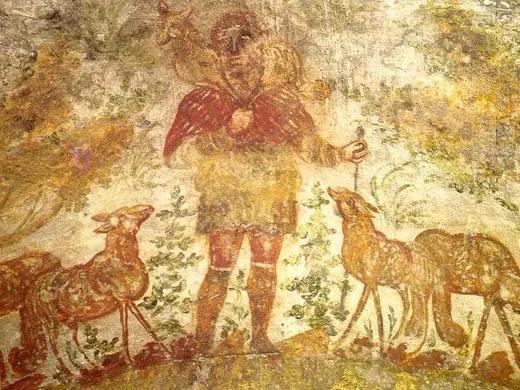
The Good Shepherd · early Christian catacomb fresco, Rome
Public domain. Source: Wikimedia Commons

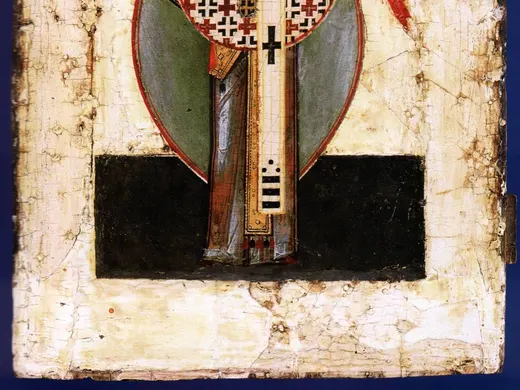
James the Just · Novgorod icon, 16th century
Public domain. Source: Wikimedia Commons

Nag Hammadi Codex II, page 32, where the Secret Book of John ends · Coptic Museum, Cairo
Public domain. Source: Wikimedia Commons
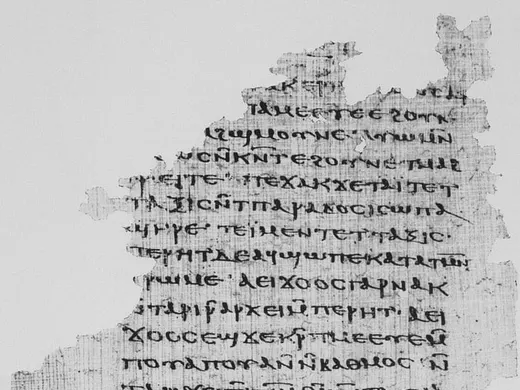
Nag Hammadi Codex VI, the codex that carries Thunder
Public domain. Source: Wikimedia Commons

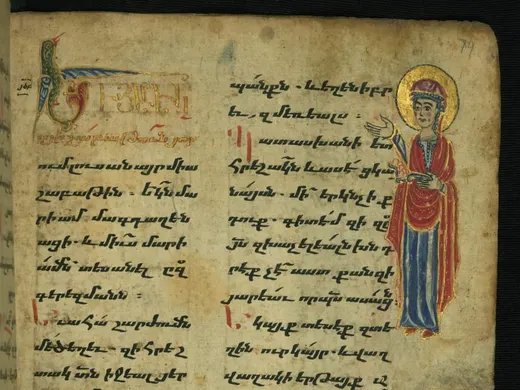
Mary Magdalene · Gospel book, Walters Manuscript W.540
CC0. Source: Wikimedia Commons

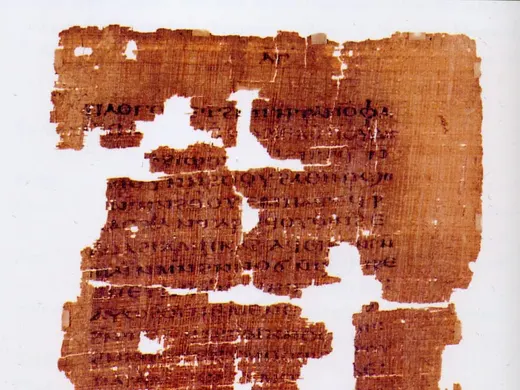
Codex Tchacos, page 33: the Gospel of Judas itself
Public domain. Source: Wikimedia Commons

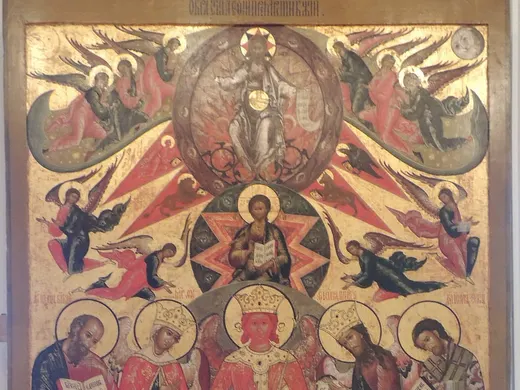
Holy Wisdom enthroned · Yaroslavl icon, 17th century
Public domain. Source: Wikimedia Commons

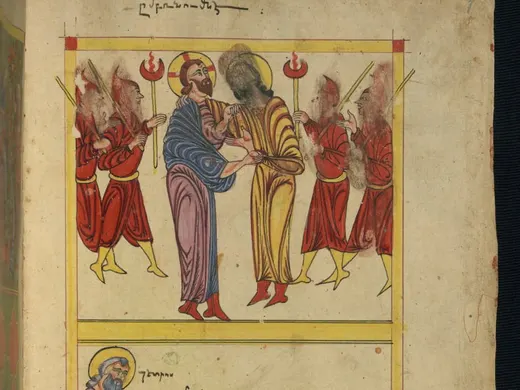
Peter at the arrest of Jesus · Walters Manuscript W.543
CC0. Source: Wikimedia Commons

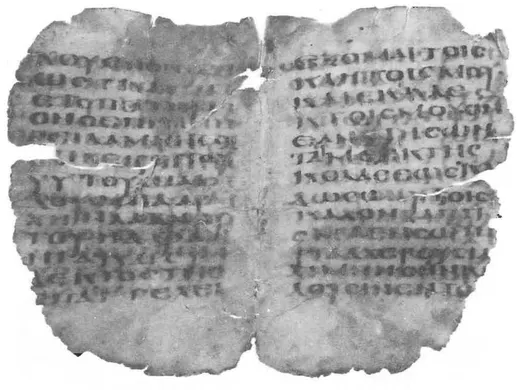
The Rainer fragment, the oldest witness to this text
Public domain. Source: Wikimedia Commons

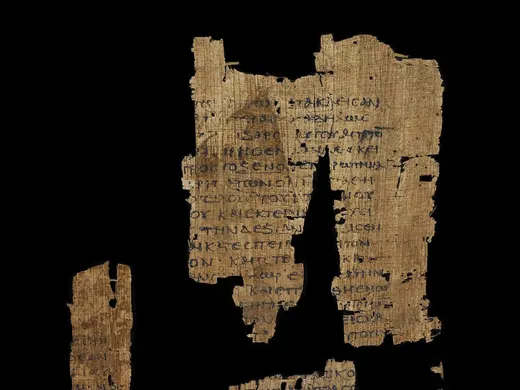
Egerton Papyrus 2 · British Library
Public domain. Source: Wikimedia Commons

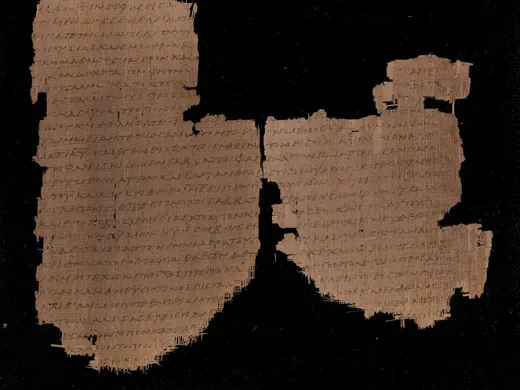
Luke in Papyrus 45 · Chester Beatty Library, 3rd century
Public domain. Source: Wikimedia Commons

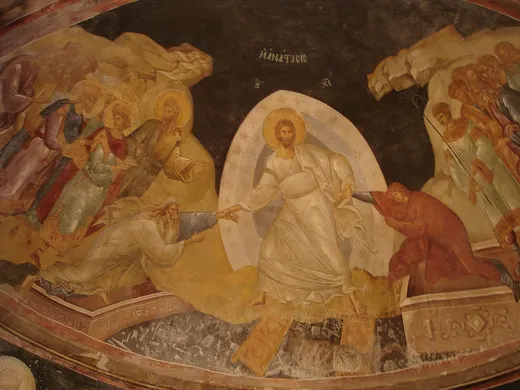
The Anastasis · Chora Church fresco, Constantinople
Public domain. Source: Wikimedia Commons

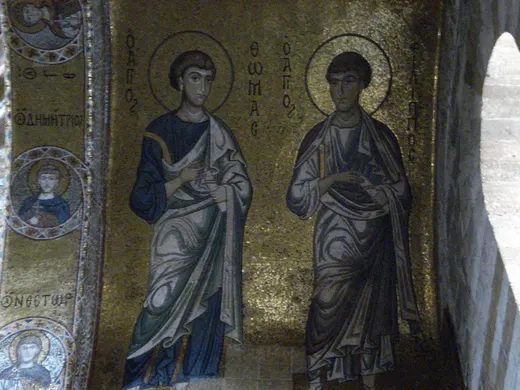
Apostles Thomas and Philip · Martorana mosaic, Palermo
Public domain. Source: Wikimedia Commons

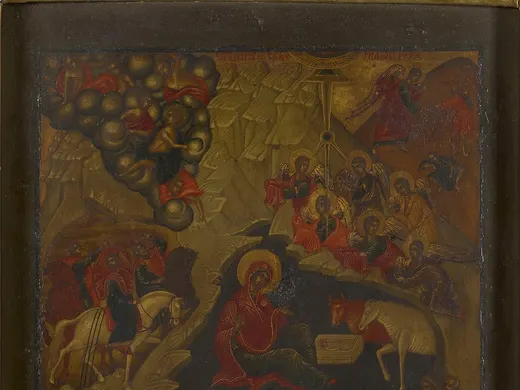
The Nativity · Byzantine school, Royal Collection
Public domain. Source: Wikimedia Commons

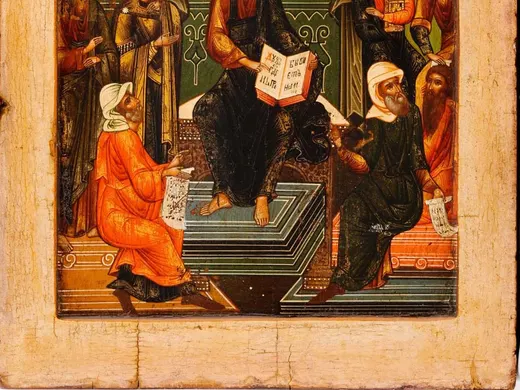
Jesus among the Doctors · Mstera icon, c. 1800
Public domain. Source: Wikimedia Commons

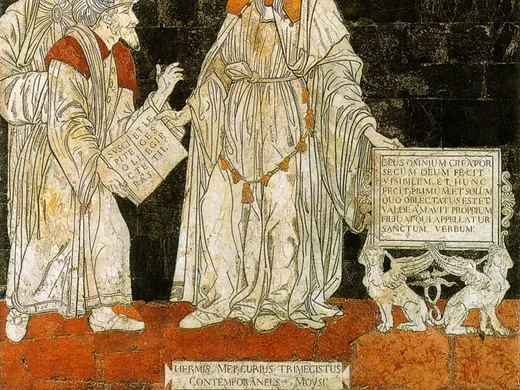
Hermes Trismegistus · Siena Cathedral floor mosaic
Public domain. Source: Wikimedia Commons

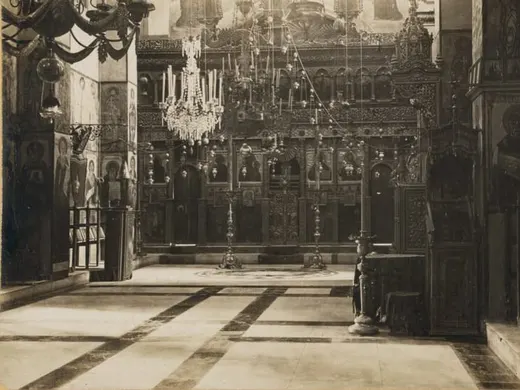
The monastery church at Mar Saba, where the letter surfaced
Public domain. Source: Wikimedia Commons
Nag Hammadi Codex II, the codex that carries the Hypostasis of the Archons · Coptic Museum, Cairo
Public domain. Source: Wikimedia Commons
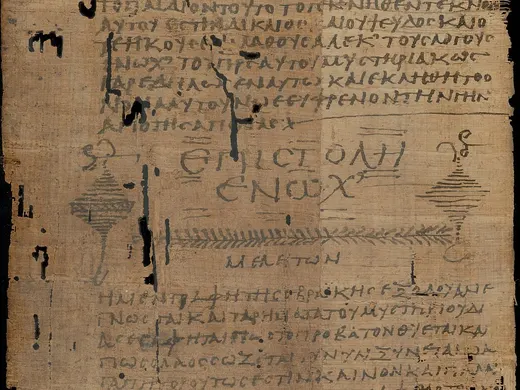
The Epistle of Enoch in Greek, its title written on the leaf · Chester Beatty Papyrus XII, 4th century
Public domain. Source: Wikimedia Commons

A picture is an illustration, not a claim. Where the picture is not the manuscript itself, its caption says what it is. See Sources & standards for how the texts themselves are sourced.